
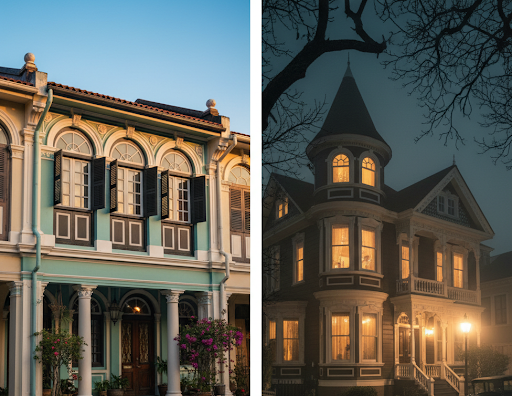
Preserving the character of a heritage building while giving it a fresh paint job requires more than just picking a colour and brushing on a coat. With older structures, often in need of repair and subject to heritage controls, the process must be thoughtful, compliant and sensitive to the building’s story. If you’re looking at refreshing or restoring a period property, here’s a clear guide to what you should and shouldn’t do.
The Do’s
Do research the heritage status and compliance requirements
Before you touch a paintbrush, check whether your building is a heritage-listed item or in a heritage conservation area. For example, in Sydney the City of Sydney guidelines state that repainting heritage-listed buildings or buildings in certain precincts often requires development consent or exemption.
This step ensures you avoid costly mistakes, delays or non-compliance.
Do assess condition and underlying issues first
Authentic heritage building painting isn’t just about the top coat. It’s about addressing structural, moisture or substrate issues first (cracking, peeling, damp, rotten wood, corroding metalwork).
If you repaint over underlying damage, you may mask problems that later become worse.
Do select appropriate materials, paints and colours
Use paints and coatings that are compatible with the original materials and allow the building to breathe (vapour-permeable finishes are often recommended for older masonry).
Choose colour palettes that respect the building’s era and original design rather than applying modern colour trends blindly.
Do hire professionals experienced in heritage work
Painting a heritage property differs from painting a new build. Surface irregularities, decorative mouldings, original joinery, bespoke windows all demand care. Finding contractors who know heritage techniques and restoration methods is a smart move.
Do document and maintain for longevity
After painting, the job isn’t done. Maintain regular inspections, look out for peeling, flaking or moisture intrusion and schedule touch-ups as needed. Heritage guidance stresses planning maintenance rather than reactive repair.
The Don’ts
Don’t repaint unpainted brick, stone or tile without expert advice
Many heritage authorities warn against painting previously unpainted masonry simply because it “looks neat”. For instance: “You should never paint unpainted bricks, stones … unless there’s no alternative.”

Painting such surfaces often traps moisture and may accelerate deterioration.
Don’t ignore underlying damage or problems
Avoiding problems like damp, rot, insect attack, unstable plaster will likely lead to the paint job failing prematurely. Poor preparation is frequently cited as a root cause of failure in heritage painting.
Don’t use incompatible or heavy modern coatings blindly
Some contemporary coatings (very thick elastomeric finishes or hard “maintenance-free” promises) are inappropriate for heritage buildings. They may trap moisture, seal in damage, or be too rigid for older materials.
Don’t choose colours simply because they’re trendy
Colour choices should respect the building’s original character. A bold modern contrast may damage the aesthetic value, and possibly metro heritage guidelines.
Don’t forget to get approvals (if required) or document the process
Failing to get the right permits or lacking proper documentation can create issues if the building is heritage listed or if you sell later. The history of work done is part of the building’s heritage record.
Practical steps for a successful heritage paint job
Step 1. Research: Check heritage registers, local council planning controls, conservation plans.
Step 2. Condition audit: Inspect every surface—exterior walls, joinery, metalwork, plaster. Identify damage and whether previous paint layers are stable.
Step 3. Select contractor: Choose a company with heritage painting experience. Ask for examples of heritage restoration projects.
Step 4. Materials & colour selection: Decide on finishes, primers, paint brands compatible with heritage substrates. Research original colours (historical photographs, paint scrapings).
Step 5. Pre-repair: Address structural issues, damp problems, rotted timber, corroded metalwork.
Step 6. Preparation & painting: Prepare surfaces properly (remove loose paint, clean, prime) then proceed with painting using appropriate techniques and care around decorative features.
Step 7. Final inspection & documentation: Record what was done, materials used, warranty details and date for future reference.
Step 8. Maintenance plan: Set up a schedule to check on the building regularly and plan for touch-up or repairs before small issues become major.
Frequently Asked Questions (FAQ)
Q: Does every heritage building need heritage council approval before painting?
A: Not always. It depends on whether the building is heritage-listed or in a heritage conservation area. For example, in the City of Sydney you generally must have approval for heritage-listed items or certain precincts. Still, it’s always wise to check with your local council first.
Q: Can I paint natural stone or brickwork if I like the look?
A: As a general rule, it’s discouraged to paint previously unpainted masonry because doing so may trap moisture or harm the substrate. If the masonry is already painted, you may repaint, but you’ll need to ensure the underlying substrate is sound and choose a breathable finish.
Q: What if the existing paint is lead-based or very old?
A: Old buildings may have lead paint or layers of incompatible coatings. It’s important to test, remove or encapsulate safely. Undertaking such work often requires professionals familiar with hazardous materials and heritage constraints.
Q: How do I choose a colour scheme that suits a heritage building?
A: Consider the building’s era, architectural style, neighbourhood context and original colour scheme if available. Historic colour palettes exist, and scraping back layers may reveal original hues.
Q: Are higher-cost specialist paints worth it on heritage buildings?
A: Often yes, they can offer better compatibility, durability, breathability and aesthetic outcome. That said, preparation and correct technique matter more than the absolute cost of the paint. Use a trusted contractor.
Conclusion
Painting a heritage building is much more than cosmetic. It’s about preserving history, protecting materials, and respecting architecture while ensuring longevity and compliance. By following the do’s, researching status, addressing condition, selecting proper materials, hiring appropriate contractors and planning maintenance, and avoiding the don’ts, painting over problems, using inappropriate materials, ignoring approvals or changing character arbitrarily, you’ll achieve a result that honours the past and endures into the future.
For expert heritage building painting services in Australia, you might like to get in touch with the team at Pain
