
Introduction:
Person A: “Hey there! I’ve been hearing a lot about saddle soap lately, but I’m not exactly sure what it is or how it’s used. Do you know anything about it?”
Person B: “Oh, saddle soap! It’s a fantastic product with a rich history and a wide range of uses. Let me walk you through the world of saddle soap and everything you need to know about it.”
The Origins of Saddle Soap
Person A: “So, where did saddle soap originate, and what’s the story behind it?”
Person B: “Saddle soap has a fascinating history. It’s been used for centuries to care for leather, and its name reflects its primary use – maintaining saddles and tack for horses. The need for a cleaning product that could effectively clean and condition leather while preserving its natural qualities gave birth to saddle soap.”
Person A: “That’s interesting! So, is it only for saddles and equestrian gear?”
Person B: “Not at all! While it was initially created for equestrian gear, saddle soap is now widely used for a variety of leather products. It’s suitable for shoes, handbags, belts, wallets, and even furniture. It’s an all-purpose leather cleaner and conditioner.”
How Saddle Soap Works
Person A: “How does saddle soap work, exactly?”
Person B: “Saddle soap is designed to clean and condition leather. It contains gentle cleaning agents to remove dirt, dust, and grime from the leather’s surface. At the same time, it has emollients that penetrate the leather, keeping it soft, supple, and hydrated.”
Person A: “So, it’s a two-in-one product?”
Person B: “Exactly! Saddle soap cleans and conditions in a single step. It removes dirt and stains while replenishing the leather’s natural oils, preventing it from drying out or cracking.”
Choosing the Right Saddle Soap
Person A: “There are so many saddle soaps available in the market. How do you choose the right one?”
Person B: “Selecting the right saddle soap is essential for maintaining your leather items. Look for a product that is specifically designed for leather care. It should be pH-balanced to ensure it doesn’t harm the leather’s natural properties. Additionally, consider the type of leather you want to clean – different leathers may require specific saddle soaps.”
Person A: “Are there any brands you’d recommend?”
Person B: “There are many reputable brands out there, such as Fiebing’s, Lexol, and Kiwi. These brands have a long history of producing high-quality saddle soaps. However, it’s always a good idea to read product reviews and consult with experts to find the one that suits your needs.”
The Saddle Soap Cleaning Process
Person A: “Okay, I’ve got the right saddle soap. Now, how do I clean my leather items?”
Person B: “Cleaning with saddle soap is a straightforward process. Here’s what you need to do:
- Prepare the leather: Start by removing any loose dirt or dust with a soft brush or cloth. Make sure your leather item is free of surface debris.
- Test in an inconspicuous area: Before applying saddle soap to the entire item, it’s a good idea to test it in a hidden or inconspicuous spot to ensure it won’t cause any adverse reactions.
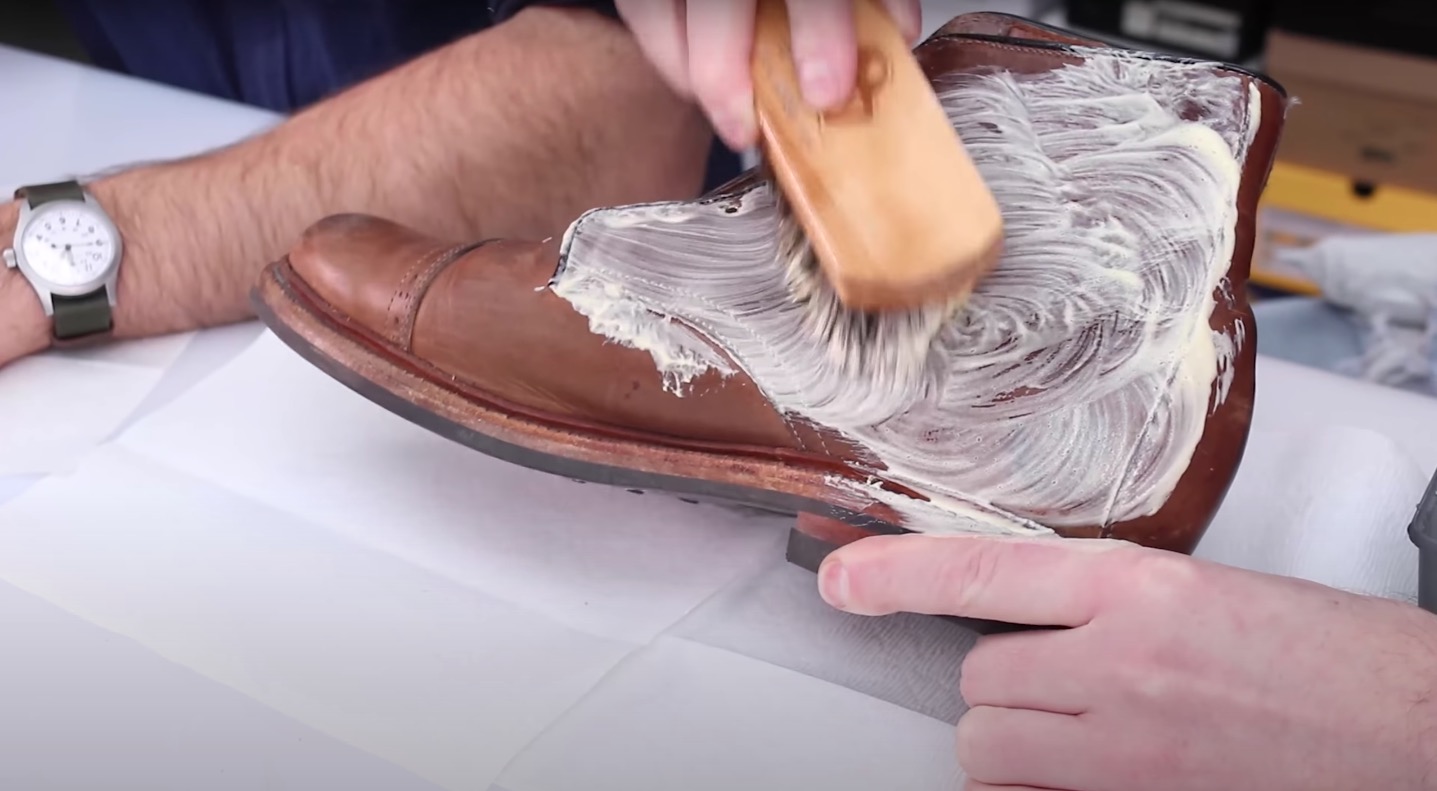
- Apply the saddle soap: Dampen a soft cloth or sponge and rub it onto the saddle soap to create a lather. Gently apply the lather to the leather, working it in a circular motion. Be sure not to oversaturate the leather; a little goes a long way.
- Clean: Continue to work the lather into the leather, focusing on any stains or heavily soiled areas. Use a separate cloth or sponge to wipe away any excess soap and dirt.
- Dry and condition: Allow the leather to air dry completely. Once it’s dry, you can apply a leather conditioner if desired, to keep it soft and supple.”
Person A: “That sounds pretty easy! How often should I clean my leather items with saddle soap?”
Person B: “The frequency of cleaning with saddle soap depends on how often you use your leather items and the environmental conditions they’re exposed to. Generally, cleaning with saddle soap every 2-4 months is a good rule of thumb for maintenance. However, heavily used items like shoes or saddles might require more frequent cleaning.”
Maintaining and Preserving Leather
Person A: “Aside from cleaning, are there any other tips for maintaining leather items?”
Person B: “Absolutely! Proper care and maintenance can significantly extend the lifespan of your leather items. Here are some tips:
- Store leather items properly: Keep them in a cool, dry place away from direct sunlight to prevent fading, drying, and cracking.
- Use leather protectants: Apply leather protectants or waterproofing products to shield your leather from moisture, stains, and UV damage.
- Rotate your leather shoes: If you wear leather shoes frequently, consider rotating between multiple pairs to allow each pair to air out and prevent excessive wear.
- Handle stains promptly: Accidents happen, and when they do, address stains promptly to prevent them from setting in.
- Regularly condition your leather: Use a leather conditioner every few months to keep the leather hydrated and supple.
- Professional cleaning: For valuable or particularly stubborn stains, consider professional cleaning by a leather expert.”
DIY Saddle Soap Recipes
Person A: “I like the idea of using natural products whenever possible. Are there any DIY saddle soap recipes I can try?”
Person B: “Certainly! You can make your saddle soap using simple, natural ingredients. Here’s a basic DIY saddle soap recipe:
Ingredients:
- 2 tablespoons of grated natural soap (like Castile soap)
- 2 tablespoons of warm water
- 1 tablespoon of white vinegar
- A few drops of essential oil for fragrance (optional)
- A small, clean container for storage
Instructions:
- Grate the natural soap into a bowl.
- Add warm water to the grated soap and stir until it dissolves into a paste.
- Mix in the white vinegar and essential oil if desired.
- Transfer the mixture to a clean container.
- To use, scoop a small amount of the DIY saddle soap with a damp cloth or sponge, create a lather, and clean your leather items following the same steps we discussed earlier.”
Person A: “That’s a great idea! I love the thought of using natural ingredients.”
Common Mistakes to Avoid
Person A: “Are there any common mistakes people make when using saddle soap that I should watch out for?”
Person B: “Yes, there are a few common mistakes to avoid:
- Using too much saddle soap: Applying an excessive amount of saddle soap can oversaturate the leather, leading to damage.
- Skipping the test patch: Always perform a patch test before using a new saddle soap on your leather items to ensure it’s safe for your specific leather.
- Over-aggressive scrubbing: Avoid excessive pressure when cleaning. Gentle, circular motions are sufficient
